
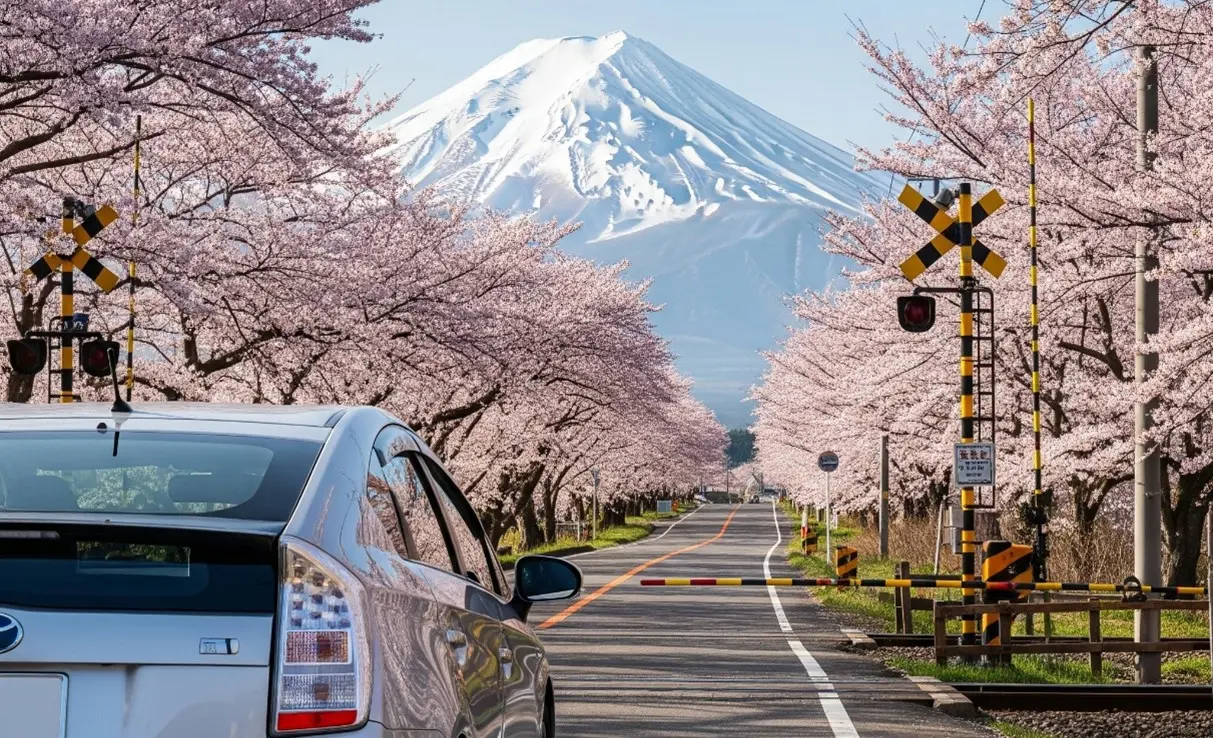
Understanding Japanese Traffic Rules: A Guide for Foreign Visitors
While you’re here, you’ll find that many aspects of daily life, including the rules of the road, might be quite different from what you’re used to at home. The deep-rooted car culture in Japan has given rise to a unique set of traffic regulations and etiquette that can sometimes be puzzling for foreign drivers and visitors.
To help you navigate the streets with confidence, here are some of the distinctive Japanese traffic rules and customs that you might find particularly interesting or surprising.
◆Driving on the Left
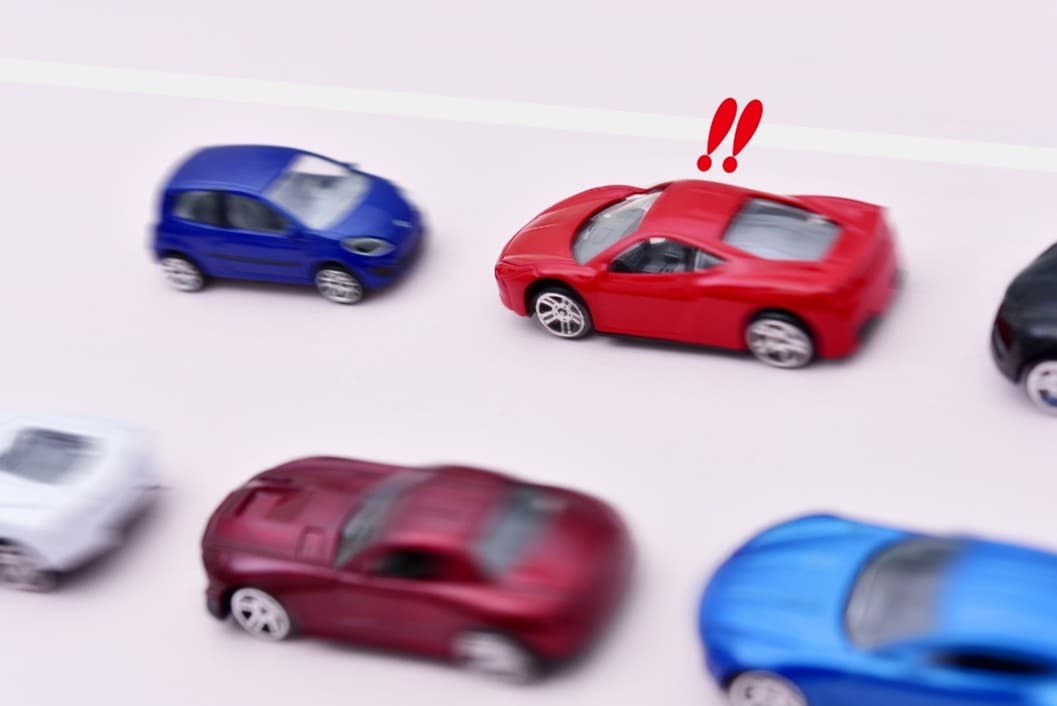
Perhaps the most fundamental difference for many is that in Japan, all traffic keeps to the left side of the road. This means the driver’s seat is on the right-hand side of the vehicle. This can be disorienting at first, especially when making turns at intersections. Always remember to look right, then left, before pulling out into a road.
◆Mandatory Stop at Railroad Crossings
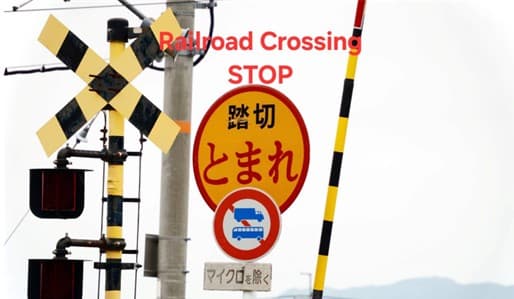
In Japan, it is compulsory for all vehicles to come to a complete stop before crossing a railway track. This is the law, regardless of whether the crossing barriers are up or down, or if a train is in sight. Drivers are expected to stop, look both ways, and listen for any approaching trains before proceeding. This is a significant difference from many other countries where drivers only stop if the signals indicate an approaching train.
◆The Unique “Tomare” (止まれ) Stop Sign
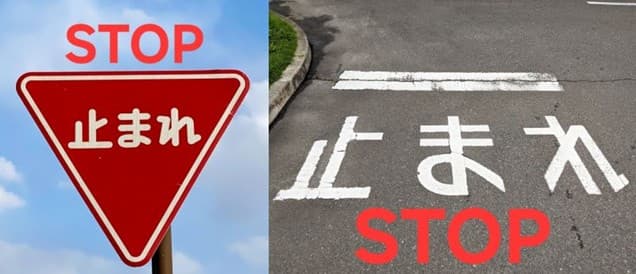
While the octagonal red sign is the international symbol for “STOP,” in Japan you will encounter aninverted red triangle with the word 「止まれ」 (Tomare) written on it. While newer signs may also include the word “STOP” in English, it’s essential to recognize this unique shape as a command to come to a complete halt.
◆No Turning on a Red Light
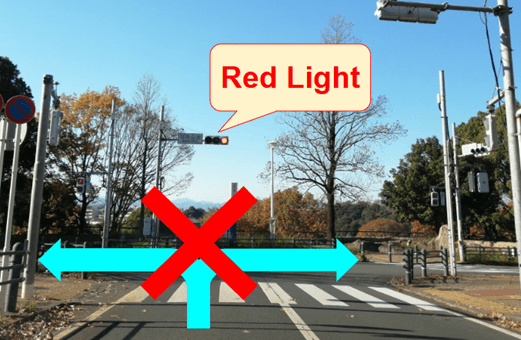
In many countries, it is permissible to make a turn on a red light after stopping, especially a right turn in countries with right-hand traffic. However, in Japan, ared traffic light means stop, with no exceptions for turning. You must wait for a green light or a dedicated green arrow before proceeding.
◆The “Thank You” Hazard Lights
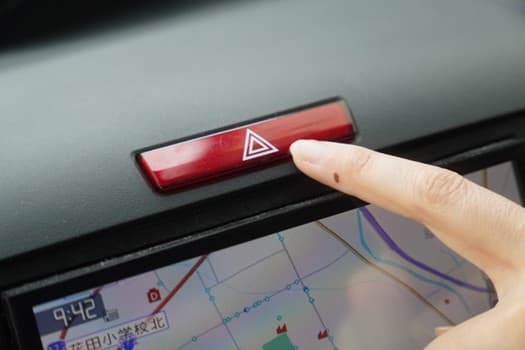
A charming, unwritten rule of the road in Japan is the use of hazard lights to say “thank you.” If another driver yields to let you merge into a lane, it is customary to flash your hazard lights two or three times as a gesture of appreciation.
◆A Quiet Drive: The Infrequent Use of Horns
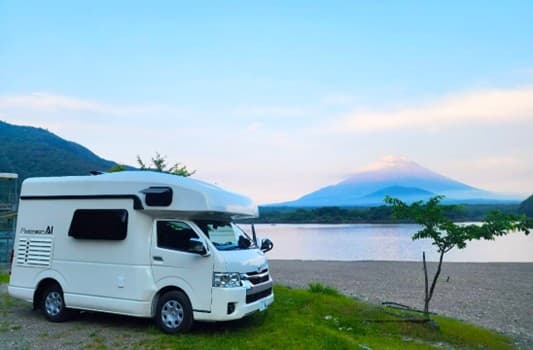
Compared to many other countries, you’ll likely notice a distinct lack of honking on Japanese roads. The car horn is generally used only in situations of imminent danger. Using it to express frustration or to hurry other drivers is considered rude.
Ultimately, navigating Japan’s roads is about more than just memorizing a list of rules; it’s about attuning yourself to a culture that places a high value on mutual respect, patience, and collective safety. While some rules, like stopping at train tracks or the unique “Tomare” sign, might seem unfamiliar at first, you’ll find they quickly become part of a predictable and safe driving rhythm.
Don’t feel the need to rush. Take your time, observe the courteous habits of local drivers, and embrace the generally calmer pace of the road. Your mindfulness will be rewarded with the incredible freedom to explore Japan’s hidden gems. Imagine discovering serene mountain villages, breathtaking coastal highways, and fields of flowers that are often inaccessible by train—all at your own pace.
By adapting to these local driving habits, you are doing more than just staying safe; you are actively participating in and showing respect for the community you are traveling through. This mindful approach will enrich your journey, turning a simple drive into a genuine cultural experience.
We wish you a fantastic and safe adventure, full of wonderful discoveries on the roads of Japan.